Source Quick Bridge Jumper for Highway, Pedestrian, and Water Crossings
Compare 30 verified listings for the quick bridge jumper designed for highway, pedestrian, and water crossings. Buyers can evaluate steel bridge models with varying lifespans, certifications, and customization options from manufacturers in China; compare the available evidence and request quotations based on your requirements.
Key considerations
Products List


$900.00 - $1500.00
Moq: 10







Comprehensive Sourcing Guide
Quick Bridge Jumper Sourcing Guide
Procuring quick bridge jumpers requires a nuanced understanding of the diverse product landscape, as the term spans distinct categories ranging from inflatable structures to heavy-duty steel infrastructure. Buyers must first clarify whether they are sourcing temporary event solutions or permanent civil engineering components. The market offers products with varying lifespans, from semi-permanent bridges designed for highway use to permanent overpasses for water crossings. This distinction dictates the technical requirements, material selection, and compliance standards necessary for a successful procurement cycle.
The observed market signals indicate a wide variance in product specifications, including models like SL-232 for playhouses and WT-F-119 for steel bridges. This diversity means that a single sourcing strategy cannot cover all potential needs. Buyers should analyze the specific application context, such as amusement parks, public squares, or industrial highways, to narrow down the relevant product attributes. Understanding these foundational differences prevents misalignment between supplier capabilities and project requirements, ensuring that the selected jumper meets the intended structural and functional demands.
Product Scope and Observed Listing Signals
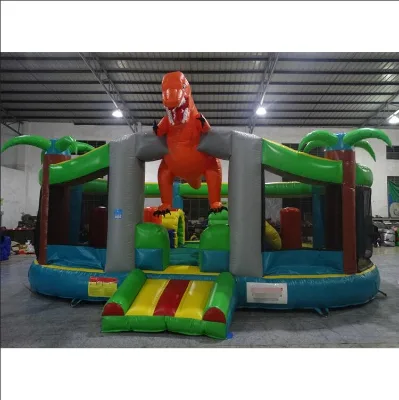
The current market listings reveal a broad spectrum of products under the quick bridge jumper category, including inflatable playhouses and steel bridge structures. For instance, some listings highlight features like fire retardant and waterproof materials with a fabric thickness of 0.55mm, suitable for environments such as markets, squares, and kindergartens. These products often come with a two-year warranty and are packed in strong PVC bags, indicating a focus on durability and ease of transport for temporary installations.
Conversely, other listings describe steel bridges with specific stress characteristics, such as beam bridges or deck bridges, intended for highway or public dual-purpose use. These heavy-duty options may feature materials like steel or aluminum alloy, with certifications including CE, EN, AISI, ASTM, and ISO standards. The presence of these varied product types underscores the importance of precise keyword filtering and specification verification to ensure that the sourced item aligns with the specific structural and safety needs of the project.
Technical Specifications to Verify
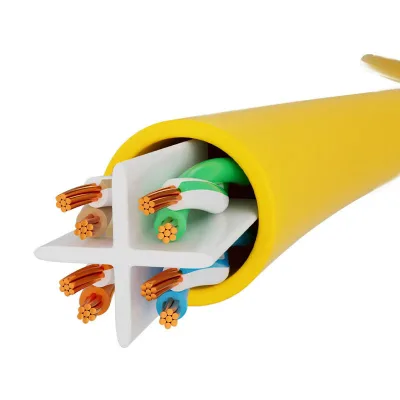
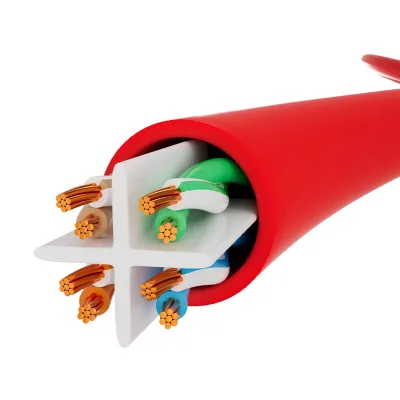
When evaluating quick bridge jumpers, buyers must verify critical technical specifications such as material composition, dimensions, and load-bearing capacity. For inflatable structures, key parameters include fabric thickness, typically around 0.55mm, and the inclusion of blowers for operation. In contrast, steel bridge jumpers require detailed verification of material shapes, such as round wire or crosslinking sheath materials, and specific dimensions like 300cm or customized lengths. These specifications directly impact the product's durability, safety, and suitability for the intended environment.
Additionally, buyers should confirm the installation requirements and structural integrity of the product. Some listings indicate that installation is required and may involve complex assembly processes, while others are designed for quick setup. It is essential to verify the connection structures, such as FC-SC connections for communication-related applications, and ensure that the product's weight and packing details, such as polybag or corrugated carton packaging, align with logistical constraints. These technical details are crucial for ensuring seamless integration into the final application.
Compliance and Safety Documentation
Compliance with international standards is paramount when sourcing quick bridge jumpers, particularly for products used in public spaces or heavy-duty applications. Buyers should request documentation for certifications such as CE, EN, AISI, ASTM, BS, GB, JIS, and DIN, which indicate adherence to specific safety and quality benchmarks. For inflatable structures, certifications like RoHS and ISO may be relevant, ensuring that materials are safe for human contact and environmental compliance. These certifications provide assurance that the product has undergone rigorous testing and meets regulatory requirements.
Furthermore, buyers must verify that the product meets specific safety standards relevant to its application, such as fire retardancy for inflatable playhouses or structural integrity for steel bridges. Documentation should include test results for load-bearing capacity, wind resistance, and material durability. It is also important to check for any industry-specific standards, such as EN 55032 or EN 301, which may apply to electronic components or specific structural designs. Ensuring comprehensive compliance documentation mitigates legal risks and enhances the product's marketability and safety profile.
Cost Drivers and Commercial Terms
The cost of quick bridge jumpers is influenced by several factors, including material quality, customization options, and order volume. Products with customized dimensions or specialized materials, such as aluminum alloy or crosslinking sheath, typically command higher prices due to increased manufacturing complexity. Additionally, the inclusion of features like fire retardancy or waterproofing can impact the final cost. Buyers should consider the total cost of ownership, including installation, maintenance, and potential replacement costs, rather than focusing solely on the initial purchase price.
Commercial terms, such as minimum order quantities (MOQ) and lead times, also play a significant role in procurement planning. Listings indicate MOQs ranging from 1 to 5000 units, with lead times typically between 10-15 days after order confirmation. Buyers should negotiate favorable terms based on their volume requirements and delivery schedules. It is advisable to clarify payment terms, shipping responsibilities, and warranty conditions to avoid unexpected costs. Understanding these commercial dynamics helps in budgeting accurately and ensuring timely project completion.
Supplier Qualification and Quality Control
Selecting a reliable supplier is critical for ensuring the quality and consistency of quick bridge jumpers. Buyers should verify the supplier's business type, whether they are a manufacturer or a trading company, as this affects pricing and control over the production process. Suppliers with a strong track record in producing certified products, such as those with CE or ISO certifications, are generally more trustworthy. Additionally, checking the supplier's location, such as Shandong, China, can provide insights into their logistical capabilities and regional expertise.
Quality control measures should be established to ensure that the delivered products meet the specified standards. Buyers should request samples for inspection before placing large orders and verify that the supplier has robust quality assurance processes in place. This includes checking for consistent material quality, accurate dimensions, and proper packaging to prevent damage during transit. Establishing clear communication channels and regular updates during production can help identify and resolve issues early, ensuring that the final product meets the buyer's expectations.
Long-Term Procurement Checks
Long-term procurement success depends on establishing ongoing relationships with suppliers and continuously monitoring product performance. Buyers should conduct regular audits of supplier quality control processes and review customer feedback to identify areas for improvement. This includes assessing the durability and safety of the products over time, particularly for high-traffic applications like amusement parks or highways. Maintaining a record of product performance and supplier responsiveness helps in making informed decisions for future purchases.
Additionally, buyers should stay updated on changes in industry standards and regulations that may affect the sourcing of quick bridge jumpers. This includes monitoring new certifications, material innovations, and safety requirements that could impact product design and compliance. By proactively adapting to these changes, buyers can ensure that their procurement strategies remain effective and compliant. Building a flexible and responsive supply chain allows for quick adjustments to market demands, ensuring long-term sustainability and success in sourcing quick bridge jumpers.
FAQs
What certifications do quick bridge jumpers have?
Quick bridge jumpers typically carry CE and EN certifications for safety compliance. Some models also include AISI, ASTM, BS, GB, JIS, and DIN standards. These certifications ensure the product meets international quality and safety requirements for various applications.
How long is the lead time for orders?
The standard lead time is 10 to 15 days after the order is confirmed. This duration applies to most customized and standard models. Buyers should plan their procurement schedule accordingly to ensure timely delivery of the equipment.
Can the product specifications be customized?
Yes, customization is available for product specifications and dimensions. Buyers can request specific sizes like 9m by 6.5m or other custom measurements. This flexibility allows the product to fit unique project requirements and site conditions effectively.
What is the warranty period for the product?
The product comes with a standard two-year warranty period. This coverage protects against manufacturing defects and ensures long-term reliability. Buyers receive assurance of quality and support throughout the warranty duration for peace of mind.
Which materials are used in construction?
Construction materials include steel, rubber, iron, and aluminum alloy components. Some models feature crosslinking sheath materials for enhanced durability. These robust materials ensure the product withstands heavy usage and harsh environmental conditions over time.
How is the product packaged for shipping?
Products are packed in strong PVC bags or polybags within corrugated cartons. Some larger items use sea-worthy packages or containers for transport. This packaging ensures the equipment arrives safely without damage during international shipping and handling processes.
What are the typical usage scenarios?
Usage scenarios include highways, public areas, amusement parks, and over water crossings. The product serves as a dual-purpose bridge for tractors and pedestrians. It is suitable for various environments requiring temporary or semi-permanent structural solutions.